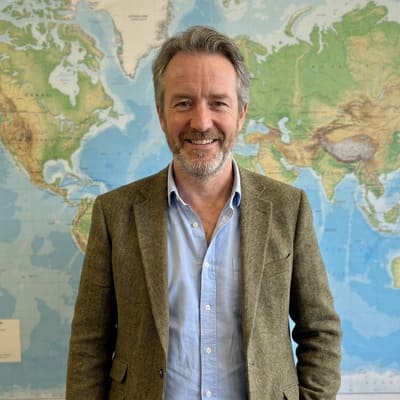
Quick Fact: As of 2026, Sierra Leone’s richest person is Ben Yesuff, sitting at an estimated **$3.34 million USD** net worth—mostly built from business and investments in the UK.
Who exactly is Sierra Leone’s richest man?
He built his fortune through business ventures and investments, mostly outside Sierra Leone. That’s not unusual—many of the country’s wealthiest figures made their money abroad and brought it back home.
Where does Sierra Leone’s wealth come from?
Sierra Leone sits on rich mineral deposits, and for decades, diamonds have shaped its economic story. After the civil war ended in 2002, the country worked to rebuild its reputation in global markets. Agriculture—especially cocoa, coffee, and palm oil—employs a large chunk of the workforce. Then there are remittances: money sent home by Sierra Leoneans living overseas, many in the UK or US. That steady flow helps families and, in some cases, fuels bigger investments back in Freetown.
How does Ben Yesuff’s wealth compare to Sierra Leone’s economy?
Sierra Leone’s GDP in 2024 was around $4.5 billion, with a per-person average of just $530 USD. Yesuff’s fortune dwarfs that. It’s a stark picture of inequality—one that’s common in resource-rich countries where wealth often stays concentrated in the hands of a few. That gap doesn’t just show up in bank accounts; it’s visible in neighborhoods, schools, and access to basic services across Freetown and beyond.
Where does Sierra Leone’s richest man actually live?
While his business ties span multiple countries, his primary residence is in the UK capital. That’s not uncommon among Africa’s wealthy elite—many build fortunes abroad but keep strong connections to their home countries. Yesuff’s case fits that pattern. He’s not a household name in Sierra Leone, but his investments likely touch local industries, from trade to real estate.
What’s the breakdown of Ben Yesuff’s wealth?
| Category | Detail |
|---|---|
| Wealth | Ben Yesuff: $3.34 million USD (as of 2026) |
| Primary Residence | London, United Kingdom |
| Sector | Business and investments |
| Sierra Leone GDP (2024 est.) | $4.5 billion USD (per capita: ~$530 USD) |
How did Sierra Leone’s diamond trade shape its wealth?
During the civil war (1991–2002), “blood diamonds” funded rebel groups and left deep scars. After peace returned, the country worked to clean up its image. But the legacy remains: wealth still flows through resource exports, and much of it ends up in the hands of a small group. Ben Yesuff didn’t build his fortune from diamonds, but his story reflects a broader trend—wealth generated abroad and channeled back home. That’s a cycle seen across Africa, where global markets often matter more than local industries.
What’s the average income in Sierra Leone?
That’s barely enough to cover basic needs for most families. Compare that to Ben Yesuff’s $3.34 million—yes, you read that right. The gap isn’t just wide; it’s cavernous. This isn’t just a Sierra Leone issue—it’s a global one, especially in countries rich in natural resources. The money exists, but it’s not trickling down. And that’s why stories like Yesuff’s stand out: they highlight how wealth moves, who controls it, and who benefits.
How has Sierra Leone’s education system changed recently?
That’s progress, but there’s a long way to go. Schools like the University of Sierra Leone and Njala University are producing graduates who contribute locally and globally. Still, access isn’t equal—urban areas have better resources than rural ones. And quality? That varies widely. Education is one area where Sierra Leone has made strides, but it’s still playing catch-up. Honestly, this is one of the most hopeful trends in the country today.
What cultural exports is Sierra Leone known for?
Artists and filmmakers are gaining international attention, and footballers like Kei Kamara have made names for themselves in global leagues. That kind of soft power matters—it puts Sierra Leone on the map beyond just diamonds and minerals. And when young people see role models succeeding abroad, it changes how they see their own future. That’s not just cultural pride; it’s economic potential in the making.
What’s the best way to visit Sierra Leone as a traveler?
Most visitors land here, then take a ferry or helicopter to Freetown. Visa rules vary—many travelers can apply for an e-visa online, which makes planning easier. Once you’re in, the Leone is the local currency, though USD is widely accepted in business areas. Just be cautious in remote spots—infrastructure is improving, but uneven development means some areas are still hard to reach. Still, the beaches (like Tokeh) and national parks (like Outamba-Kilimi) are worth the trip if you love nature.
Is Sierra Leone safe for tourists?
Freetown and other cities have seen improvements, but political tensions can flare up. Avoid traveling alone at night, and stick to well-known areas. The government’s pushing tourism, but it’s still a work in progress. That said, most visitors have positive experiences if they plan carefully. Just don’t expect the same infrastructure you’d find in Europe or North America.
What’s the currency situation in Sierra Leone?
After years of wild swings, the Leone is in better shape now. Still, many businesses—especially in Freetown—prefer USD for big transactions. That makes life easier for visitors, but locals often deal in Leone for daily expenses. If you’re exchanging money, use official banks or exchange bureaus to avoid scams. And always check rates before you trade—some places love to lowball tourists.
What landmarks should visitors see in Freetown?
These spots tell the story of Sierra Leone—from its colonial past to its civil war and recovery. The Cotton Tree, a giant kapok tree, is a symbol of Freetown’s founding. The museum? It’s a deep dive into the country’s complex history. Pair those with a walk along Lumley Beach, and you’ll get a real sense of what makes Sierra Leone unique. Honestly, these are the kinds of places that stick with you long after you leave.
How can foreign investors get started in Sierra Leone?
They provide resources, but do your homework first. The regulatory environment can be tricky, and corruption is still an issue in some sectors. Still, the potential is there—especially in agriculture, mining, and tourism. If you’re serious about investing, start with a local partner who knows the landscape. And expect delays. Bureaucracy moves slowly here, but if you’re patient, opportunities exist.
For more info, check out the Invest Sierra Leone website.
What’s the future of wealth in Sierra Leone?
As long as Sierra Leone’s economy ties to diamonds, minerals, and overseas earnings, that gap between rich and poor won’t close fast. But there are glimmers of hope—education improvements, cultural exports gaining traction, and infrastructure slowly improving. The question isn’t whether wealth will grow; it’s who will benefit. For now, figures like Ben Yesuff represent a pattern: money made abroad, invested back home. Whether that changes? That depends on policy, education, and whether the benefits of growth reach everyday Sierra Leoneans.